
The full 18-type chart: every ×1.6, ×0.6 and ×0.3 matchup
All 18 types, every matchup, and what each type is strong and weak against. The chart is softer than the main games: 1.6 for super effective, 0.6 for resisted, 0.3 for immune, capped at 2.4 for dual types.
The chart in four numbers
PokéSurvivor uses the type chart from the main games, but softened for a survivor game where you only have one active move and cannot swap Pokémon. There are only four numbers to remember.
| Matchup | Multiplier | What it means |
|---|---|---|
| Super effective | ×1.6 | The attacker's type beats the defender's type |
| Not very effective | ×0.6 | The attacker's type is resisted by the defender's type |
| Immunity | ×0.3 | The attack barely lands |
| Dual-type cap | ×2.4 | Two multipliers multiply, but the result is capped |
Two details matter as much as the numbers. First, the chart works in both directions: it applies to your attacks against enemies and to theirs against you. Second, the two multipliers of a dual type multiply together and the result is capped at ×2.4, which is slightly less than ×1.6 × ×1.6 would give.
This is a gentler chart than the one you know. ×1.6 instead of ×2 means a type advantage is worth roughly one extra move level, not a doubling. Type matchups are a tiebreaker here, not a strategy on their own.
How to read the full matrix
Rows are the attacking type and columns are the type of the Pokémon being hit. An empty cell means no effect either way. Read across a row to see what that type beats, and read down a column to see what attacks it.
| Attacker \ Defender | Normal | Fire | Water | Grass | Electric | Ice | Fighting | Poison | Ground | Flying | Psychic | Bug | Rock | Ghost | Dragon | Dark | Steel | Fairy |
|---|---|---|---|---|---|---|---|---|---|---|---|---|---|---|---|---|---|---|
| Normal | — | — | — | — | — | — | — | — | — | — | — | — | ×0.6 | ×0.3 | — | — | ×0.6 | — |
| Fire | — | ×0.6 | ×0.6 | ×1.6 | — | ×1.6 | — | — | — | — | — | ×1.6 | ×0.6 | — | ×0.6 | — | ×1.6 | — |
| Water | — | ×1.6 | ×0.6 | ×0.6 | — | — | — | — | ×1.6 | — | — | — | ×1.6 | — | ×0.6 | — | — | — |
| Grass | — | ×0.6 | ×1.6 | ×0.6 | — | — | — | ×0.6 | ×1.6 | ×0.6 | — | ×0.6 | ×1.6 | — | ×0.6 | — | ×0.6 | — |
| Electric | — | — | ×1.6 | ×0.6 | ×0.6 | — | — | — | ×0.3 | ×1.6 | — | — | — | — | ×0.6 | — | — | — |
| Ice | — | ×0.6 | ×0.6 | ×1.6 | — | ×0.6 | — | — | ×1.6 | ×1.6 | — | — | — | — | ×1.6 | — | ×0.6 | — |
| Fighting | ×1.6 | — | — | — | — | ×1.6 | — | ×0.6 | — | ×0.6 | ×0.6 | ×0.6 | ×1.6 | ×0.3 | — | ×1.6 | ×1.6 | ×0.6 |
| Poison | — | — | — | ×1.6 | — | — | — | ×0.6 | ×0.6 | — | — | — | ×0.6 | ×0.6 | — | — | ×0.3 | ×1.6 |
| Ground | — | ×1.6 | — | ×0.6 | ×1.6 | — | — | ×1.6 | — | ×0.3 | — | ×0.6 | ×1.6 | — | — | — | ×1.6 | — |
| Flying | — | — | — | ×1.6 | ×0.6 | — | ×1.6 | — | — | — | — | ×1.6 | ×0.6 | — | — | — | ×0.6 | — |
| Psychic | — | — | — | — | — | — | ×1.6 | ×1.6 | — | — | ×0.6 | — | — | — | — | ×0.3 | ×0.6 | — |
| Bug | — | ×0.6 | — | ×1.6 | — | — | ×0.6 | ×0.6 | — | ×0.6 | ×1.6 | — | — | ×0.6 | — | ×1.6 | ×0.6 | ×0.6 |
| Rock | — | ×1.6 | — | — | — | ×1.6 | ×0.6 | — | ×0.6 | ×1.6 | — | ×1.6 | — | — | — | — | ×0.6 | — |
| Ghost | ×0.3 | — | — | — | — | — | — | — | — | — | ×1.6 | — | — | ×1.6 | — | ×0.6 | — | — |
| Dragon | — | — | — | — | — | — | — | — | — | — | — | — | — | — | ×1.6 | — | ×0.6 | ×0.3 |
| Dark | — | — | — | — | — | — | ×0.6 | — | — | — | ×1.6 | — | — | ×1.6 | — | ×0.6 | — | ×0.6 |
| Steel | — | ×0.6 | ×0.6 | — | ×0.6 | ×1.6 | — | — | — | — | — | — | ×1.6 | — | — | — | ×0.6 | ×1.6 |
| Fairy | — | ×0.6 | — | — | — | — | ×1.6 | ×0.6 | — | — | — | — | — | — | ×1.6 | ×1.6 | ×0.6 | — |
The symmetry of the table is worth noticing. If Fire is ×1.6 against Grass, then Grass is ×0.6 against Fire, and the whole chart reads as a set of relationships rather than 324 independent facts. If you learn the handful of strong relationships, you can reason about the rest.
What each type is strong against
The same chart, reorganised by the attacking type. This is the version to keep open in a second window while you learn the roster.
| Attacking type | Super effective against |
|---|---|
| Normal | — |
| Fire | Grass, Ice, Bug, Steel |
| Water | Fire, Ground, Rock |
| Grass | Water, Ground, Rock |
| Electric | Water, Flying |
| Ice | Grass, Ground, Flying, Dragon |
| Fighting | Normal, Ice, Rock, Dark, Steel |
| Poison | Grass, Fairy |
| Ground | Fire, Electric, Poison, Rock, Steel |
| Flying | Grass, Fighting, Bug |
| Psychic | Fighting, Poison |
| Bug | Grass, Psychic, Dark |
| Rock | Fire, Ice, Flying, Bug |
| Ghost | Psychic, Ghost |
| Dragon | Dragon |
| Dark | Psychic, Ghost |
| Steel | Ice, Rock, Fairy |
| Fairy | Fighting, Dragon, Dark |
Some types have an unusually broad reach and some have almost none. Steel hits ten of the eighteen types, which is the widest coverage in the game. Normal hits six, but only because it is super effective against nothing and only resists three. Bug hits exactly one type, which makes Bug the narrowest attacker in the game by a wide margin.
What each type is weak against
The same chart read from the other side: for each defending type, the attacking types that are resisted or immune to it.
| Defending type | Resisted or immune to |
|---|---|
| Normal | Rock, Ghost, Steel |
| Fire | Fire, Water, Rock, Dragon |
| Water | Water, Grass, Dragon |
| Grass | Fire, Grass, Poison, Flying, Bug, Dragon, Steel |
| Electric | Grass, Electric, Ground, Dragon |
| Ice | Fire, Water, Ice, Steel |
| Fighting | Poison, Flying, Psychic, Bug, Ghost, Fairy |
| Poison | Poison, Ground, Rock, Ghost, Steel |
| Ground | Grass, Flying, Bug |
| Flying | Electric, Rock, Steel |
| Psychic | Psychic, Dark, Steel |
| Bug | Fire, Fighting, Poison, Flying, Ghost, Steel, Fairy |
| Rock | Fighting, Ground, Steel |
| Ghost | Normal, Dark |
| Dragon | Steel, Fairy |
| Dark | Fighting, Dark, Fairy |
| Steel | Fire, Water, Electric, Steel |
| Fairy | Fire, Poison, Steel |
Read this one before you pick a partner rather than after. A partner whose type is resisted by six attacking types will be in trouble against a mixed horde even when you are dodging well, because the damage you take is multiplied before your armour or your regeneration gets a say.
Dual types and the 2.4 cap
Forty of the 87 legendaries have two types, and a lot of the roster you meet on the map does too. When a move hits a dual type, both multipliers apply and the product is capped.
- Super effective into super effective is the cap at work. ×1.6 × ×1.6 would be ×2.56, and the game clamps it to ×2.4. In practice you cannot double-dip your way past a cap.
- Super effective into resisted is nearly neutral. ×1.6 × ×0.6 gives ×0.96, which is the same as no advantage at all. A type advantage against the first type of a dual type can be completely cancelled by the second.
- Resisted into resisted is the floor. ×0.6 × ×0.6 gives ×0.36, and an immunity brings it lower still. This is where the ×0.3 values live.
Dual types punish shallow knowledge. You cannot assume a fire attack is good against a Fire and Grass legendary just because fire beats grass. The other half of the pairing can flip the whole matchup back to neutral.
Putting the chart into a fight
The chart is a tool for a decision you make in about two seconds, so it is worth knowing which decisions those are.
- Which move to keep active. When a wave is made of one type, switching to the move that beats it is free damage and costs you nothing except the slot.
- Where to stand. Enemies spread their own damage across their types, and the chart works both ways, so the ground you are standing on is a damage calculation as much as a position.
- Which arena you want. A rift arena is built from the legendary's type, so knowing what a type is weak to tells you what the arena will feel like before you enter it.
- Which partner to invest in. Permanent upgrades are per partner, and a partner whose type is heavily resisted will need more of them to reach the same comfort.
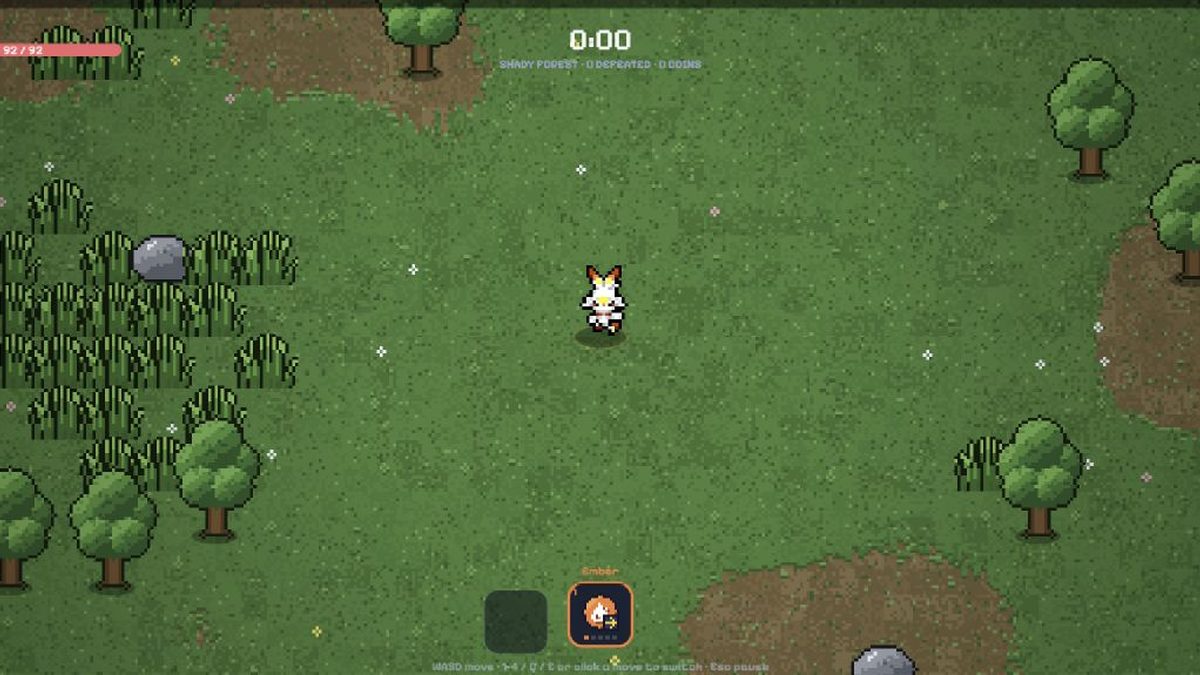
What the chart should not do is take over the decision. A super effective move against a wave of seven enemies is still less total damage than a resisted move that hits all of them. Coverage wins fights, and the chart is how you break a tie between two moves that already cover the same ground.
Why the chart was softened
The reason for the flatter numbers is visible in the sentence the game itself uses to introduce the chart: you only have one active move and cannot swap Pokémon. In the main games you can bring a Pokémon whose type covers the encounter. Here you have committed, mid-run, with four slots and no swaps.
That is a design problem with an obvious answer. If the chart were as steep as the main games, a single bad type choice would end a run, and the game would be decided by the draw rather than by the player. Flattening the multipliers to 1.6, 0.6 and 0.3 keeps type relevant as a meaningful factor while removing the possibility of an unwinnable fight.
Type is a modifier, not a decision. In this chart a type matchup is worth roughly one move level. A bad matchup costs you a little; a good one buys you a little. Neither is worth restructuring your build around.
Matchups worth knowing by heart
You do not need all 324 cells. You need the handful that show up every run, and the ones where the answer is not what you would guess from the main games.
| Attack | Target | Result | Why it matters |
|---|---|---|---|
| Fire | Grass | ×1.6 | The most common matchup in the game, since Grass is the second most common type |
| Water | Fire | ×1.6 | Water is the most common type in the roster and Fire is eighth |
| Electric | Water | ×1.6 | Two of the three most common types meet here |
| Grass | Water | ×1.6 | The same pairing, the other way round |
| Ice | Dragon | ×1.6 | Ice is the rarest type and Dragon the third most common, so this matchup is rare too |
| Rock | Flying | ×1.6 | Flying is the fourth most common type, so Rock gets more use than its rarity suggests |
| Fighting | Normal | ×1.6 | Normal is the second most common type |
| Ground | Flying | ×0.3 | The hardest-hitting matchup in the game against a very common type |
| Ghost | Normal | ×0.3 | Ghost barely scratches Normal |
| Normal | Ghost | ×0.3 | And Normal barely scratches Ghost, which surprises people who expect a Normal attack to work |
| Poison | Steel | ×0.3 | The opposite of the main games, where Poison is the one that struggles against Steel |
That last row is worth a second look, because it is where the softened chart has also changed an expectation. In the main games, Poison attacks hit Steel hard and Steel resists Poison. Here the pairing is reversed, which is exactly the kind of detail that a guide written from memory gets wrong.
Eight of these eleven are ×1.6 super effective. That is the shape of the chart: a handful of strong matchups cover most of what you will meet, and everything else is neutral. Knowing the shape is worth more than memorising every cell.
Questions about this
How many types does PokéSurvivor have?
18, and each one has its own rift arena. The chart is the standard type chart with softened numbers.
What is the multiplier for super effective?
1.6, against 2 in the main games. Resisted attacks are 0.6 and immunities are 0.3.
What is the dual type cap?
The two multipliers multiply, and the result is capped at 2.4. Two super effective multipliers would otherwise give 2.56.
Does the chart work for the enemy attacks too?
Yes. It applies to your attacks against enemies and to their attacks against you, so a resisted type is useful on defence as well as on offence.
Which type covers the most types?
Steel, with ten super effective matchups. Bug is the narrowest with exactly one, which is the opposite of the usual role for the type.
Written for PokéSurvivor.online, an independent guide. Not affiliated with Nintendo, Creatures, GAME FREAK or The Pokémon Company. If a number here ever disagrees with the game you are playing, the game wins — tell us and we will fix the page.